+420 777 008 739


 info@onedent.cz
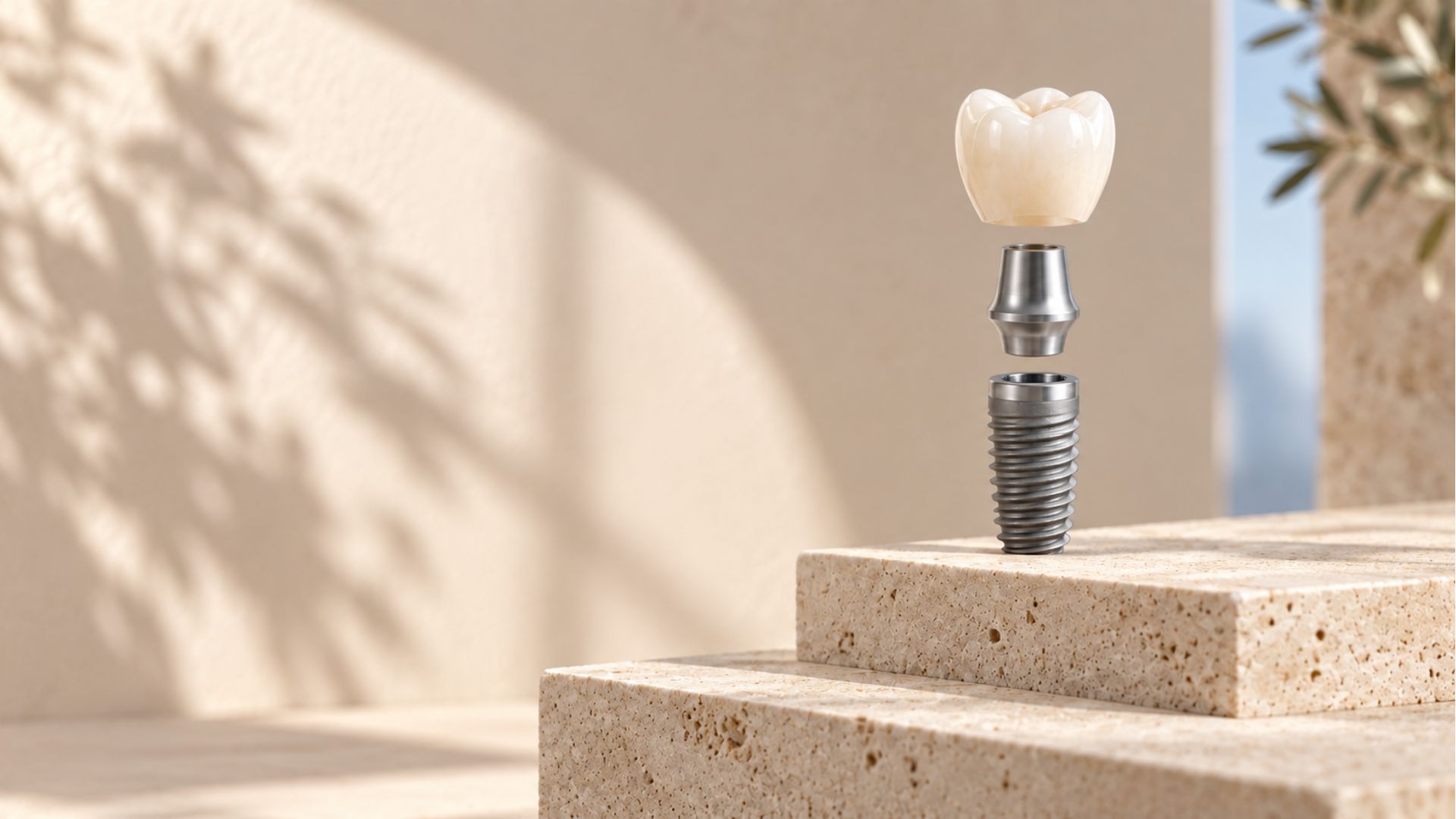
Read what you can expect during the first week and the months that follow. You will find out what is a normal part of healing and which problems need checking.
The first week: swelling, pressure and what to do about them
Swelling is usually most pronounced during the first few days and then gradually goes down. Pressure at the site of the procedure can also be unpleasant, but it is normal. Marked burning or throbbing pain, however, is a reason to get in touch with us.
During the first few days, follow these recommendations:
- Apply a cold compress on the first day. It can help reduce swelling. Apply it only for short periods and take breaks between applications.
- Sleep with your head raised.
- Don’t rinse your mouth vigorously. The blood clot protects the wound and is important for proper healing.
- Don’t smoke. Smoking impairs healing, so avoid it during this period.
- Choose soft, lukewarm food. Avoid hot dishes and don’t bite on anything hard on the operated side.
When the stitches come out depends on the type of procedure and the material used. At the check-up we examine the wound and explain the next steps.
The following months: healing you cannot see
Once the swelling has gone, a less noticeable part of healing begins. The implant has to bond with the bone. Usually allow four to five months. There is normally no difference in healing time between the upper and lower jaw, although the exact time can be affected by the condition of the bone and the type of procedure.
During healing it is entirely normal to feel no problems at all. The implant itself has no nerve, so pain will not necessarily tell you whether something is happening around it. That is exactly why you need to come for check-ups even when you feel fine.
Until the implant has healed, the gap can be covered with a temporary restoration, depending on the situation. The dentist fits the final crown only once the implant is sufficiently healed and stable — in other words, ready to bear load.
When to call because something is not right
Call us if you notice any of the following:
- Pain that gets worse instead of easing.
- Swelling that does not go down, or comes back after improving.
- An unpleasant taste or pus at the site of the procedure.
- Movement of the implant at any stage of healing. In that case, don’t wait.
- Numbness of the lip or chin that persists after the anaesthetic has worn off.
⚠️ If you have difficulty breathing or swallowing, or the swelling spreads towards your neck, call 155 (the Czech emergency medical line). A fever with chills also needs emergency treatment.
If the implant moves, pus appears or the pain is getting worse, don’t wait until Monday — go to the dental emergency service. Mild problems without the warning signs above can be monitored, and you can get in touch with us on Monday morning.
After the first year and beyond
Once the final crown is fitted, the implant works in the mouth much like your own tooth. It has no nerve, however, to warn you with pain of a developing problem.
Regular check-ups are therefore important even when nothing hurts. At them we monitor the condition of the gum around the implant and the amount of surrounding bone. Home care matters just as much. The basics are an ordinary toothbrush and an interdental brush. At a dental hygiene appointment we will show you how to clean around the implant properly. Plaque builds up around implants just as easily as around your own teeth.
Frequently asked questions
How long does a dental implant hurt?
The first few days after the procedure are usually the most unpleasant. After that things should gradually improve. Pain that gets stronger instead is not a normal part of healing and needs checking.
When will I get the final crown?
Once the implant has bonded with the bone and a check-up confirms it can bear load. Usually allow four to five months of healing. There is normally no difference in its length between the upper and lower jaw, but we set the exact date only according to the result of the check-up.
Can I tell myself if the implant has failed to take?
Not always. The implant itself has no nerve, but the surrounding tissue can hurt. Warning signs are movement of the implant, pus, or swelling that comes back after improving. That is another reason regular check-ups matter.
Summary
During the first week, watch mainly for swelling and pain. Over the following months the implant bonds with the bone, and once the crown is fitted, long-term care based on thorough cleaning and regular check-ups begins.
You make a big contribution to successful healing by not smoking, following the post-operative instructions and coming for check-ups even when nothing hurts.
Call +420 777 008 739 or write to us using the booking form. We are accepting new patients and we are contracted with all Czech health insurance companies.
 Article author


 Approximate reading time: 7 min
 Updated: 05.10.2026